
Water Sanitation & Hygiene (WASH)
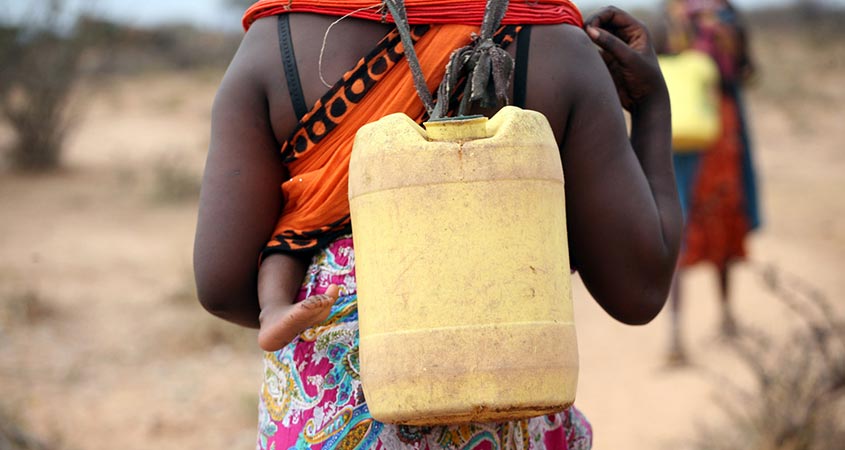
The Samburu community of North-Central Kenya dwell in groups of 5 or more families forming up a settlement locally known as manyatta. Traditionally, women are responsible for constructing houses using poles and cow-dung . They are also responsible for milking cows and goats, cooking,collecting firewood, fetching water and doing other household chores. To ameliorate the suffering of women in the rural areas, CSI aims at addressing water shortage by drilling boreholes and constructing water pans for the community. Accessibility of adequate and safe water for drinking remains a big challenge to families living in rural manyattas. It is also the main cause of health hazards ranging from communicable diseases to spinal injuries especially to women and girls who fetch water from far distances.

Samburu manyatta or boma is also a unique settlement without toilets. A manyatta has one hut(small house) for each household and a shared open space for domestic animals. Villagers are expected to answer a call of nature in the nearest vegetation away from the village. During rainy season, human waste drains to rivers and other water sources. This way of life causes numerous health hazards to people and livestock. CSI has introduced construction and use of pit latrines in rural manyattas. We are targeting to build at least 2 pit latrines per manyatta by the year 2022.
Unlike other civilized societies, most traditional women in pastoralist regions are not aware of sanitary towels used by women during menstrual periods. The focus of CSI is empowering women especially who live in a total cultural environment who have never gone through any formal education. CSI seeks to break a cultural norm by highlighting hygiene issues during and after menstrual period for traditional rural women and girls. As it is now such narratives remain a taboo.